

If you’ve got home improvement projects in mind—like replacing that aging HVAC system or updating a cramped kitchen—but your current home isn’t your forever home, it’s worth considering how those projects could affect your home’s value down the road.
Some renovations can add significant resale value, while others may not provide the return you expect. And bigger or more expensive doesn’t necessarily mean better. In fact, relatively modest improvements can sometimes deliver the strongest return on investment.
So, before you start knocking down walls, take a look at 10 home improvement projects that can offer a strong long-term return—and a few that may be harder to recoup when it’s time to sell. Of course, the return on any home improvement project varies based on several factors, including your location, your home’s condition, materials, labor costs, and buyer preferences. The figures below are estimates, not guarantees, but they can give you a good sense of which projects tend to deliver more value for your money.
Home Improvement Projects with High Return
1. Energy-Efficient Window Replacement
Replacing old windows can improve your home’s energy efficiency, boost curb appeal, and make it more attractive to prospective buyers. Newer windows can also help reduce drafts and make it easier to maintain a comfortable temperature throughout your home.
According to the 2025 Cost vs. Value report,1 replacing windows with new vinyl models can recoup about 76% of the project cost nationally, while wood window replacements return about 70%. And, unlike some renovations that are mostly cosmetic, new windows offer benefits you can enjoy while you’re still living in the home.
2. Midrange Bathroom Remodel
You don’t need to create a luxury spa to add value to an outdated bathroom. With a midrange remodel, you aren’t restructuring the plumbing or changing the layout. Instead of expanding the space or investing in high-end materials, you’re updating your existing bathroom with good-quality, moderately priced fixtures and finishes.
According to the 2025 Cost vs. Value report,1 a midrange bathroom remodel recouped about 80% of its cost nationally, compared with about 42% for an upscale remodel. That could mean replacing an outdated tub, toilet, vanity, flooring, and fixtures while keeping the room’s basic layout intact.
Smaller improvements can also make a noticeable difference. Fresh paint, better lighting, updated fixtures, or new tile can make a bathroom feel more current without dramatically increasing the cost. If resale value is a priority, focus on functionality, durability, and choices that are likely to appeal to a broad range of buyers.
3. Minor Kitchen Remodel
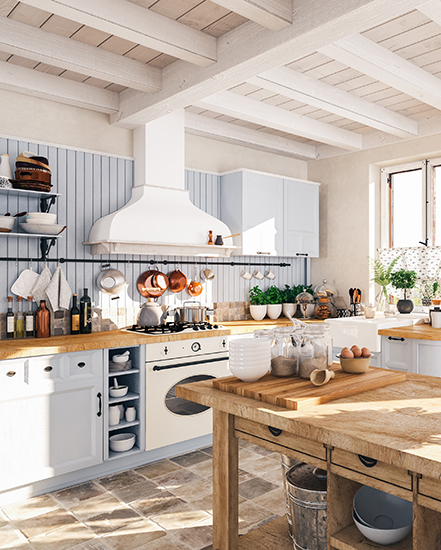
When it comes to your kitchen, a bigger renovation doesn’t necessarily mean a better return. According to the 2025 Cost vs. Value report,1 a midrange minor kitchen remodel recouped about 113% of its cost nationally, compared with just 51% for a midrange major remodel.
That makes smaller updates, like refreshing cabinet fronts, replacing countertops, or upgrading older appliances, worth considering if your goal is to add value without completely overhauling the space. A full renovation may still be worthwhile if it makes your home work better for you, but expensive or highly personalized changes may not appeal to every future buyer.
A kitchen island can also add useful counter and storage space, but only if you have room for one. Experts recommend leaving at least 42 to 45 inches of clearance around an island to keep the kitchen from feeling cramped. If your space is tight, preserving an open, functional layout may be more valuable than squeezing in another feature.
4. Garage Door Replacement
Replacing an outdated garage door is a relatively straightforward project that can make a huge difference in your home’s curb appeal. Not only does it give the exterior a fresh, updated look, a new door also improves functionality and security. And, depending on the door you choose, a garage door refresh may improve your home’s energy efficiency.
It can also offer an impressive return. According to the 2025 Cost vs. Value report, garage door replacement recouped an estimated 268% of its cost nationally, making it the highest-return project included in the report. That means a relatively modest exterior update could add considerably more to your home’s resale value than it costs to complete.
5. New Entry Door
Your front door is one of the first things visitors and potential buyers see, so replacing an outdated one can make a noticeable difference without requiring a major renovation. In particular, a new steel entry door can improve curb appeal while also improving security and energy efficiency.
According to the 2025 Cost vs. Value report,1 replacing an entry door with a new steel door recouped about 216% of its cost nationally. So, like a new garage door, it’s a relatively modest exterior improvement that can make a big visual impact—and potentially deliver a strong return when it’s time to sell.
Color can matter, too, but there isn’t one shade that works for every home. Zillow research from 20262 found that neutral doors tended to perform best on homes with more visually complex exteriors, while bolder colors worked better on simple, monochromatic homes. So, rather than chasing a particular trend, choose a door color that complements the rest of your home’s exterior.
6. Siding Replacement
Worn, faded, or damaged siding can make an otherwise well-maintained home look dated. Replacing it can give the entire exterior a refresh while also helping protect your home from the elements and potentially reducing future maintenance.
According to the 2025 Cost vs. Value report,1 siding replacement can also offer a strong return. Fiber-cement siding recouped about 114% of its cost nationally, while vinyl siding returned about 97%. Both materials offer durability and relatively low maintenance, although they differ in cost, appearance, and lifespan.
If resale value is part of your decision, consider how the material fits your home, neighborhood, and climate in addition to its potential return. The best choice is one that balances upfront cost, durability, maintenance, and the look you want for your home.
7. HVAC System Upgrade
If your heating and cooling system is nearing the end of its life, replacing it with a more efficient option could offer benefits now and when it’s time to sell. One option is HVAC electrification, which involves replacing a fossil-fuel heating system with an electric heat pump that can both heat and cool your home.
According to the 2025 Cost vs. Value report, an HVAC electrification project recouped about 72% of its cost nationally. Heat pumps are also becoming increasingly common in Oregon. In 2026, the state updated its residential energy code to require energy-efficient heat pumps in new homes instead of ducted air conditioning.3
Of course, replacing a functioning HVAC system solely to boost resale value doesn’t make much financial sense, but if your system already needs replacing, considering energy efficiency and long-term operating costs alongside the upfront cost can help you choose an upgrade that works for you now and may appeal to future buyers.
8. Finished Basement
Turning an unfinished basement into usable space—such as a guest room, home office, or entertainment area—can make your home more functional without requiring an addition. But below-grade living space isn’t typically valued the same way as space on the main or upper floors. According to Zillow,4 finished basements generally aren’t as valuable to buyers as above-grade living space, although finishing an existing basement may cost considerably less than adding new space to your home.
Still, a basement remodel can offer a respectable return. According to the 2025 Cost vs. Value report, a basement remodel recouped about 71% of its cost nationally. And the value isn’t limited to what you may eventually recoup when you sell. If a finished basement gives you useful living space for the years you’re in the home, that benefit may also factor into whether the project is worthwhile.
9. Outdoor Living Space
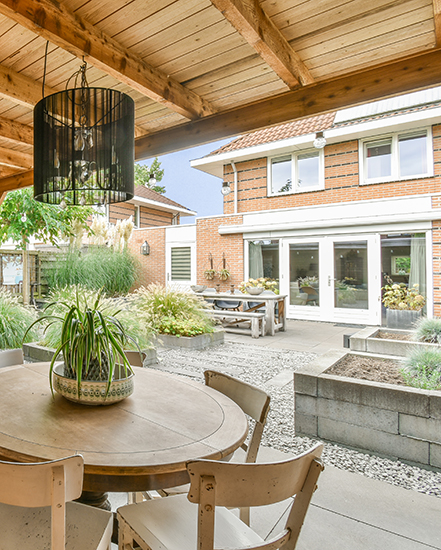
Even in rainy Oregon, a pretty, practical outdoor living space holds plenty of appeal. And if you’re looking to add usable space without building an addition, a deck can provide a relatively strong return for the cost.
According to the 2025 Cost vs. Value report, a new wood deck recouped about 95% of its cost nationally, while a composite deck returned about 89%. Wood generally costs less upfront, while composite materials typically require less maintenance over time.
Of course, your return will depend on factors like the size and design of the deck, the materials you choose, and how well the finished space fits your home. But if you plan to stay awhile, it’s worth considering the value you’ll get from actually using the space—not just what it may add when you sell.
10. Accessory Dwelling Unit (ADU)
An accessory dwelling unit, or ADU, is a smaller, independent living space located on the same property as a primary home. Depending on your property and local requirements, that could mean converting an existing garage or basement, adding space to your home, or building a separate backyard structure.
Unlike some of the projects on this list, the potential return on an ADU isn’t easily expressed as a single percentage. An ADU can add value in several ways, from creating flexible living space for family or guests to potentially providing rental income. That flexibility may also make your property more appealing to future buyers.
But an ADU is also a significant investment, and costs, zoning requirements, permits, and rental rules can vary considerably. If you’re considering one, do your homework before you build and think about how you expect to use the space over the long term.
Want to learn more? Read our guide to building an ADU in Oregon.
Projects That May Be Harder to Recoup
Of course, return on investment isn’t the only reason to improve your home. If a renovation makes your space more comfortable, functional, or enjoyable for the years you live there, it may be well worth the money. But if resale value is a priority, some projects can be harder to recoup than others.
- Luxury renovations. As we’ve seen with kitchens and bathrooms, spending more doesn’t necessarily lead to a higher return. High-end appliances, custom finishes, and luxury materials can add considerably to the cost of a project without adding the same amount to your home’s resale value.
- Swimming pools. A pool can be a major selling point for the right buyer, but it can also mean additional maintenance, insurance, and operating costs. Climate matters, too, so a pool may have a different effect on home value in Oregon than it would in a warmer part of the country.
- Highly personalized spaces. Home theaters, wine cellars, elaborate home gyms, and other specialized rooms may be perfect for the way you live, but future buyers may not place the same value on them. The more difficult or expensive a space is to repurpose, the more carefully you may want to consider the investment.
- Elaborate landscaping. Good curb appeal can absolutely help a home make a strong first impression. But expensive landscaping and hardscaping may not return what you spend on them, particularly if prospective buyers see an elaborate yard as something they’ll have to maintain.
- Garage conversions. Converting a garage can give you more living space, but it also means giving up covered parking and storage. Before making the change, consider whether future buyers in your area are likely to value the extra room more than a functional garage.
Want more home improvement tips?
- Discover some affordable ways to refresh your home.
- Find out how to finance an ADU in Oregon.
- Learn the basic steps you should take before selling your home.
- Journal of Light Construction. (2025). 2025 cost vs. value report. ↩︎
- Pendleton, A. (2026, June 16). The best front door colors to increase home value. ↩︎
- Kushner, R. (2026, February 19). Oregon mandates heat pumps in new housing. Smart Cities Dive. ↩︎
- Kelleher, S. (2025, March 15). Does a finished basement add value to a home? Zillow. ↩︎