
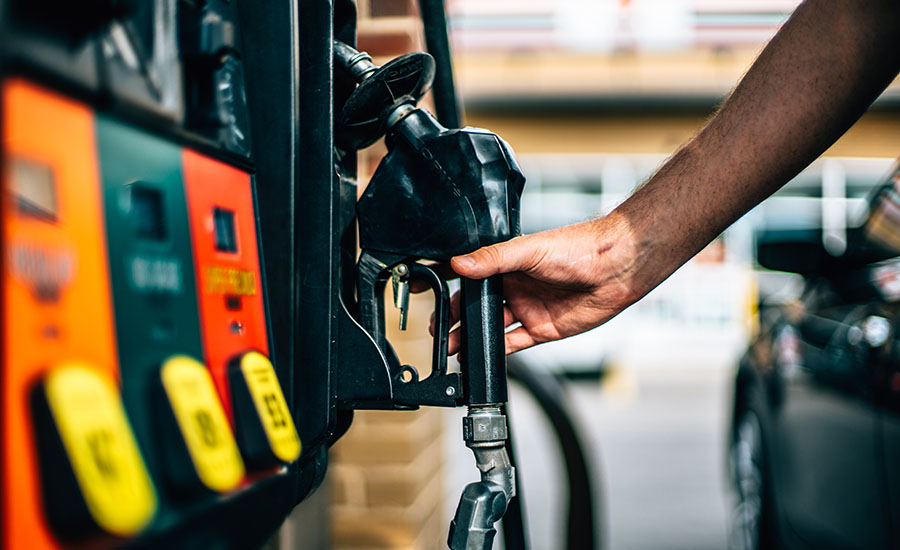
Gas prices are in the news a lot these days. In the first week of May, the national average spiked to $4.54 per gallon. According to the Associated Press, that represents a 52% increase in just four months. In Oregon, however, drivers are accustomed to paying well above the national average—often close to a dollar more per gallon depending on market conditions. And while it may be tempting to blame a single factor, the reality is a little more complicated.
Why Is Gas More Expensive in Oregon?
Oregon’s fuel prices are shaped by a mix of geography, taxes, supply, and environmental policies, so there’s no single reason you’re paying more at the pump.
1. Oregon’s Fuel Taxes Are Higher
Unlike some states, Oregon does not have a statewide sales tax, so fuel taxes play a larger role in transportation funding.
As a result, part of every gallon you buy goes toward state and federal fuel taxes. Oregon’s gas tax is higher than the national average, and those funds help pay for road maintenance, bridges, and transportation infrastructure throughout the state.
2. We’re Far From Major Oil Production
Oregon doesn’t produce crude oil, and the state has no large in-state oil refineries. That means gasoline has to be transported here from refineries in Washington, California, and other regions. Transporting fuel over longer distances adds cost.
And, because Oregon depends heavily on fuel produced elsewhere, disruptions at major West Coast refineries can quickly affect supply and prices here.
3. The West Coast Fuel Market Is More Isolated
Many parts of the country can receive gasoline through large interstate pipeline systems connected to the Gulf Coast and Midwest. The West Coast operates more like its own fuel “island.”
Because the region has fewer connections to outside fuel supplies, it can be harder to quickly replace shortages when refinery problems occur.
4. Environmental Standards Affect Fuel Blends
Oregon follows cleaner fuel and emissions standards designed to reduce pollution and greenhouse gas emissions. Producing these specialized fuel blends can cost more than conventional gasoline.
For example, Oregon requires reformulated gasoline, a cleaner-burning fuel that is also required in Washington and California. Reformulated gasoline is designed to reduce smog-forming emissions and improve air quality, particularly during warmer months. But because it requires additional refining steps and specialized ingredients, it typically costs more to produce and distribute than standard gasoline.
Programs like Oregon’s Clean Fuels Program also influence fuel pricing, though supporters argue they help reduce long-term environmental and health costs.
5. Seasonal Demand Still Matters
Like everywhere else, Oregon gas prices tend to rise during periods of high travel demand. This is especially true in the summer months when road trips, tourism, and outdoor recreation increase across the state.
And because Oregon is heavily car-dependent outside of major metro areas, demand tends to remain fairly steady year-round.
Why Prices Can Change So Quickly
Gas prices are unusually sensitive to outside events. That’s why geopolitical conflict, a refinery fire in California, global oil production cuts, severe weather, or even changes in seasonal fuel requirements can cause prices to shift within days.
Local competition also affects pricing. Gas prices tend to rise like “rockets” and fall like “feathers,” increasing quickly when costs go up but declining more slowly afterward. And in some rural communities—where multiple stations may be owned by the same family or company—there may be less pressure to aggressively compete on price.
What Oregon Drivers Can Do
Unfortunately, as drivers, we don’t have much control over the oil market. But there are still ways to reduce the impact of higher fuel costs:
- Keep tires properly inflated
- Combine errands into fewer trips
- Avoid aggressive acceleration and speeding
- Use fuel rewards or cash-back programs
- Stay current on vehicle maintenance
It’s also wise to compare prices before fueling up. Apps and services like AAA and GasBuddy can help drivers find lower prices nearby, and in some communities, local social media groups regularly share fuel price updates and trends. While Oregon’s gas prices are likely to remain above the national average, understanding why those costs exist can make them a little less mysterious—and help drivers make smarter decisions along the way.