
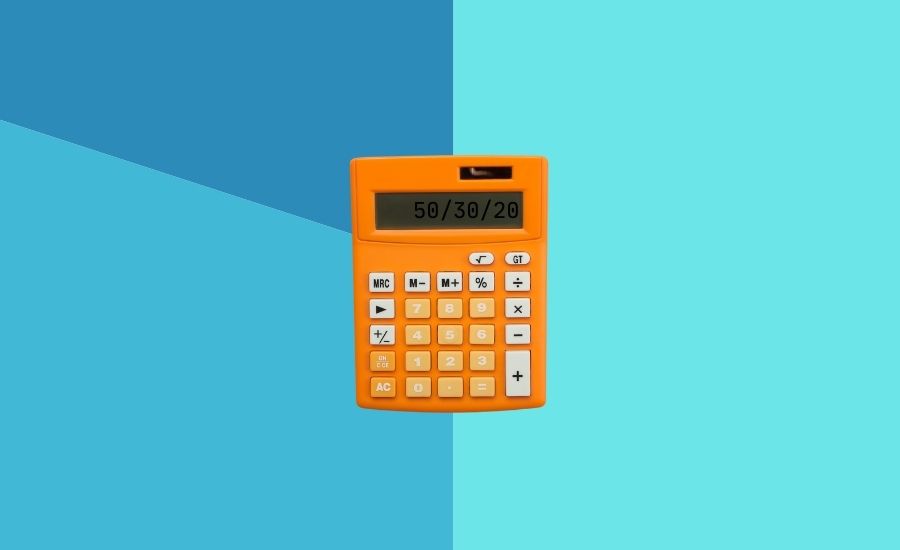
If you’ve ever googled “how to make a budget,” you’ve likely seen the 50/30/20 rule. It’s simple, flexible, and extremely popular. The basic rule is: You set aside 50% of your total income for needs, 30% for wants, and 20% for savings and debt repayment.
It’s a tidy guideline, but real life rarely fits neatly into thirds. Rising costs, wage changes, and shifting priorities have pushed many of us to rethink how we structure our budgets. So, with 2026 just around the corner, we’re taking a moment to reexamine (and potentially revamp) the classic split.
Why 50/30/20 is So Popular
People gravitate toward 50/30/20 because it’s easy to remember and doesn’t require complicated math. It was initially popularized by U.S. Senator Elizabeth Warren and her daughter, Amelia Warren Tyagi, in their 2005 book All Your Worth: The Ultimate Lifetime Money Plan. But the budgeting hack found a second life on TikTok, where videos about the rule have garnered millions of views—especially in finance-focused TikTok communities like “#moneytok” and “FinTok.”
And, it’s no surprise the rule went viral. The simplicity of the 50/30/20 plan makes it easy to demonstrate in short clips, and its focus on mindful, goal-driven spending gives creators something relatable and shareable to talk about. The buzzy simplicity of the rule helped it reach people who were brand-new to budgeting or looking for a gentler on-ramp, but it was never meant to be a one-size-fits-all blueprint.
What’s changed for 2026
Every year brings new financial pressures. In 2025, many households felt the squeeze from higher living costs, persistent inflation, and shifting job markets. Unfortunately, 2026 is shaping up to bring its own mix of challenges as prices, priorities, and income patterns continue to evolve.
Housing costs continue to dominate the “needs” category for many people (and the rising cost of groceries, healthcare, and transportation isn’t slowing down either). Meanwhile, a growing share of the U.S. workforce—about 36 percent, primarily Millennials and Gen Z—is leaning on freelance income to survive. So, what used to be a side hustle has become part of the main paycheck, whether that’s rideshare driving, delivery work, contract design, tutoring, pet care, or other gig-based jobs. Whatever the job, for many U.S. households, one income stream simply won’t cover the cost of living anymore.
All of this makes rigid percentages harder to apply, but that doesn’t mean the 50/30/20 plan’s framework is outdated. It just needs a little tweaking.
How to adjust your 50/30/20 Plan
The key to making the 50/30/20 plan work for you now is to treat it as a starting point, not a hard-and-fast rule. If 50% for needs isn’t realistic for your situation, that’s not a failure. It’s a signal that your budget needs its own proportions. Some people find that 60/20/20 feels more stable. Others lean on a 70/20/10 split when debt payments or childcare eat up a bigger share of their income. The point is to create a structure you can actually follow.
Here are a few ways your 50/30/20 plan may have changed:
1. Your “needs” list may have grown.
If essentials are taking up more room in your budget, that’s okay. Instead of forcing the 50% cap, track your actual spending first. You can work backward from there to find a more realistic ratio.
2. You may need to be more intentional about your “wants” category.
It’s a common myth that strict budgets don’t include room for wants, but wants aren’t frivolous. They help keep life balanced. However, if the traditional 50/30/20 rule has you constantly dipping into the “wants” bucket without meaning to, it’s wise to prioritize in 2026. Take a moment to decide which wants matter most—maybe it’s keeping your streaming subscriptions, saving for concerts, or treating yourself to a monthly night out—and set a percentage that feels realistic for your lifestyle. With a set of clear priorities, it will be easier to cut back on the noise.
3. Your savings goals have probably shifted.
Emergency funds, retirement contributions, and debt repayment may look different than they did even a year ago. If your long-term goals have changed, let your percentages reflect those changes.
4. Your income may not be a steady number.
If your earnings vary month to month, consider using percentage-based budgeting with a rolling average. It keeps your plan flexible without losing structure.
The real purpose of 50/30/20
The 50/30/20 rule endures because it’s simple and clear, but it’s not set in stone. The real takeaway of the popular budgeting plan is the understanding of where your money is going.
So, as you head into 2026, treat the 50/30/20 rule like a framework you can bend, but don’t let it box you in. Remember, it’s not about hitting exact percentages, and a customized budget framework will always beat a budget that only looks good on paper. After all, when your plan reflects your real life, it’s easier to make choices that match your priorities.
Want more budgeting tips?
- Take our budget personality quiz to find a budget that suits your lifestyle.
- Learn how to do a no-spend challenge (and actually stick to it).
- Get some tips for living paycheck-to-paycheck in a high-cost world.